

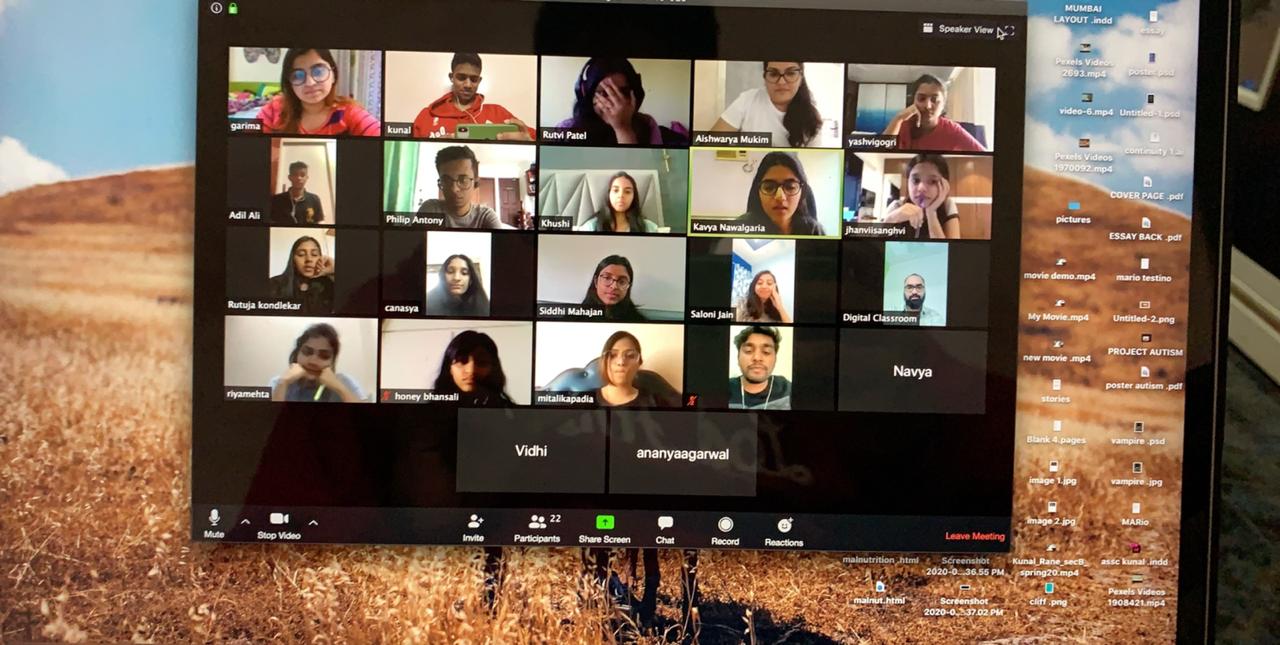
Due to the Corona virus pandemic, we all are attending online lectures and it is adding to a new experience of learning digitally in my life.

I appreciate how everybody woke up at 8 am in the morning in their respective home towns and were eagerly excited as well as waiting for these online lectures to begin.
Today we discussed about the rest of the movies and their respective deconstructions. Now we are asked to make a connection between all of these, find common things and make an interactive digital model out of it.
So here is the first detailed outlook on the movie Mughle-e-azam
Mughle-e-azam
Overall
The movie was released in 1960 but the development of the movie started in 1944. The movie took almost 14 years to make and film. The film is based on a play set in 1556-1605. It was a big budget film and the film sets were made with a lot of effort.
The plot
In the 1500’s there was no concept of love marriages, plus a marriage in another caste standard. Anarkali belonged to a lower class and salim was a prince. The king was upset with their decision only because anarkali was not a princess. The plot was well set in and it made complete sense because the thinking process of the people then matched the plot. The plot twist was quite interesting as it changed the image of akbar as a king, because as he portrayed himself to be a king that obeys his responsibilities , we never expected him to leave anarkali alive. This also shows that akbar is a man of his words and loyal, he was a person that one could trust.
The music
The songs of the movie have been an evergreen album. There were 12 songs in the movie but there were 20 songs composed for it. The songs are largely based on indian classical music. The songs had a lot of meaning to it but at the same time they were very repetitive. The songs fit very well in the storyline with giving it more meaning.
Dressing
The costumes worn by the actors were inspired by the mughals. It was royal and it represented the thier royalness. Men wore long and short robes and coats including the chogha (clothing), a long sleeved coat. A “pagri” (turban) was worn on the head and “patka”, an adorned sash, was worn on the waist. “Paijama” style pants were worn. The women had to obey by some rules of the culture so Their upper body was covered in loose garments fastened at the neck or with “V” shaped necklines. Other articles of clothing included the Yalek: a tight fitting nearly floor length vest, buttoned in the front, with the chest accentuated, in both short and long sleeve varieties.
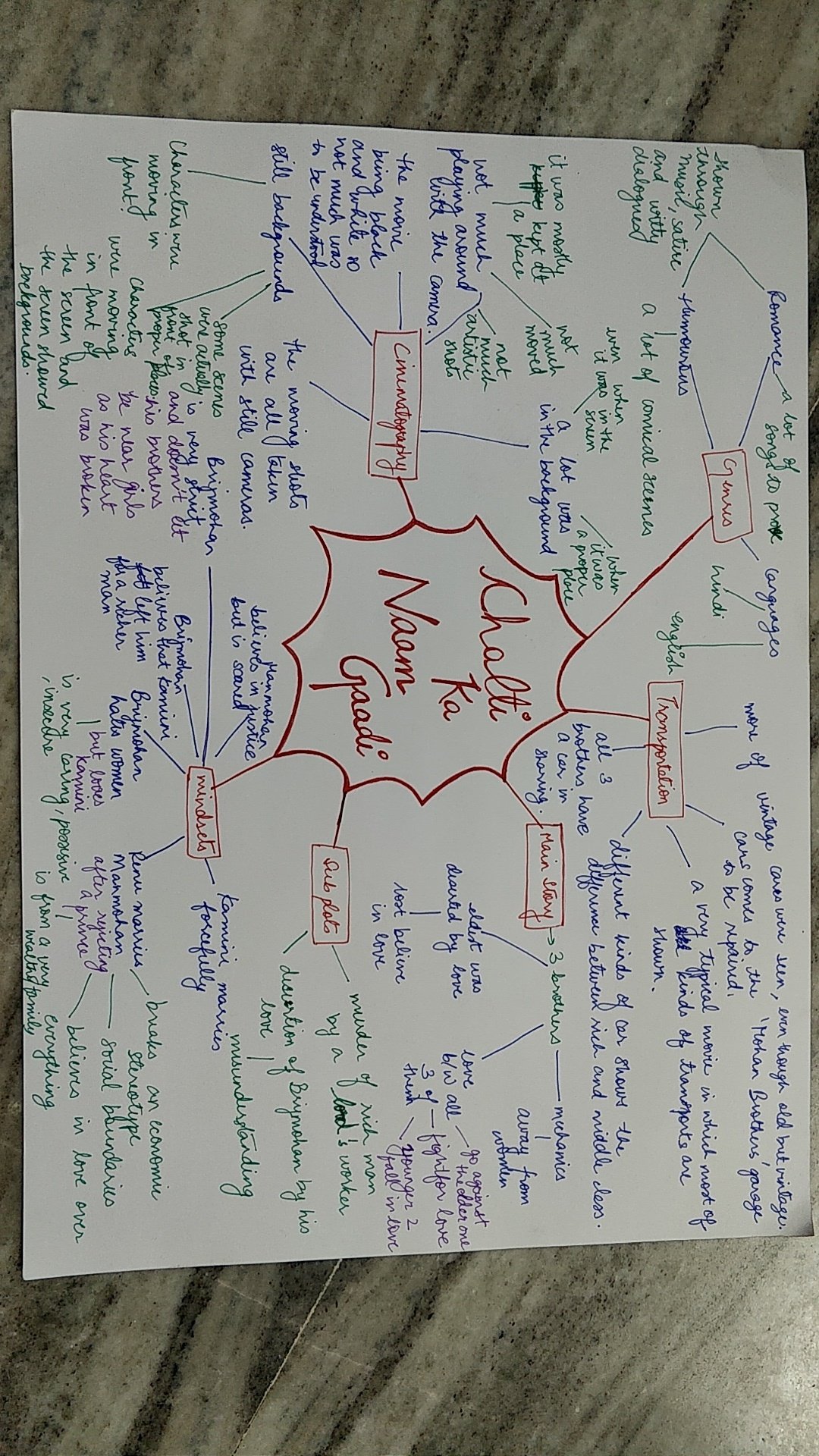
Chalti ka naam gaadi.
Apur sansar.
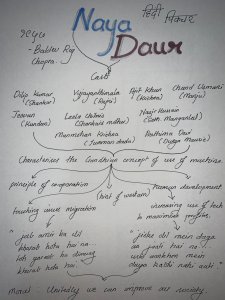
Naya daur.
And then we have combined all the common aspects to come up with the theme of transportation.
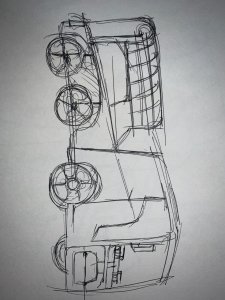
We have decided to combine all types of transportation mode available at that time and make one mode of transportation out of it. So this model is going to be interactive. So we are going to make a bhulbhullaiya and make this as an interactive game.

 Glorious mess💕