

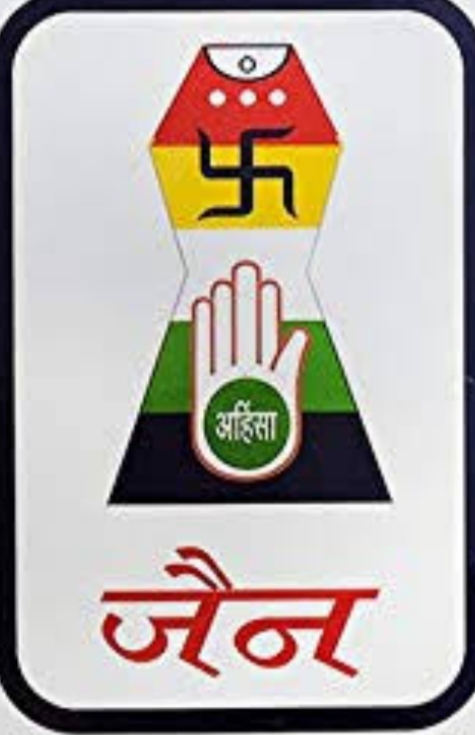
Lookout swastika throughout history in objects in different cultures.
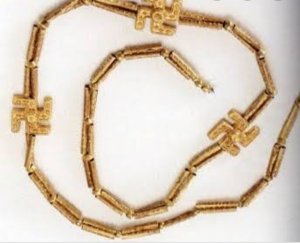
☆ A 3200 year old swaatika necklace excavated from Marlik, Gilan province, northern Iran. Presently preserved at the museum of Iran.
☆ The Samarra bowl, at the Pergamonmusuem, Berlin. The swastika in the centre of the design is a reconstruction.
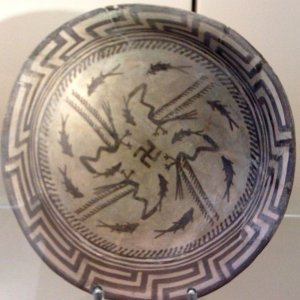
The design consists of rim, circle of eight fishes. Four fish swimming towards the center being caught by four birds. Typical of cultures from this region, the use of a base six numerical system is visble in the lines surrounding the bowl. There are a total of 120 lines, or four quarters with 30 lines each. And at the center is a swastika symbol.
☆Mirror image swastikas have been found on ceramic pottery in Devetashka cave. Bulgaria.
☆ An intricate meander pattern of joined- up swastikas found on a late paleolithic figurine of a bird, carved on mammoth ivory. It is found in Mezine, Ukraine.
☆ Swastikas in Armenia were found on petroglyphs(rock carvings) from the copper age predating the bronze age.
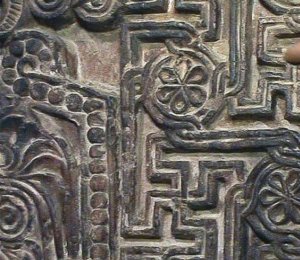
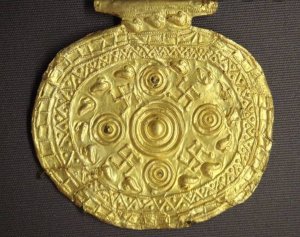
☆Etruscan pendant with swastika symbol was found in Italy in 700- 650 BCE. It is in Louvre Museum currently.
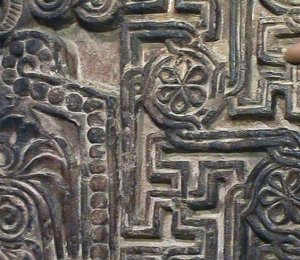
☆ They have also been found on pottery in archaeological digs in Africa, in the area of Kush and on pottery at the Jebel Barkal temples.
☆Importance of Swastika on these objects.
If we want to trace the development of different cultures throughout history, we need to have a keen eye on the objects and the symbols carved over them.
☆ Swastika is considered to be a symbol of revolving sun, infinity or continuing creation.
☆ It also has spiritual significance to Indian religions such as Hinduism, Jainism and Buddhism.
☆ The swastika carving on mammoth ivory supports the idea that the pattern was a fertility symbol.
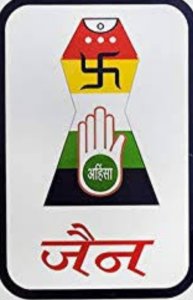
☆In Jainism, it is the symbol of 17th thirthankara, Suparsvanatha. It is also one or the eight auspicious symbol. Being a Jain myself, I have been taught that the four arms of Swastika symbolizes the four places where a soul could be reborn in the cycle of birth and death- svarga, naraka, manushya, tiryancha- should be before the soul attains moksha as siddha. It is denoted to having ended the cycle of birth and death and become omniscient.
☆In Hinduism, it is marked to welcome people. The clockwise icon is called swastika, suggesting the motion of sun. And the anticlockwise icon is called as sauvastika. It connotes the night and in tantric condition it is an icon for goddess Kali.
☆According to me swastika is a symbol of positivity and optimism. It has 4 pathways open, which signifies 4 directions. As we know the whole map is based on these directions which sums up to cover up the whole world. It symbolizes that opportunities are open to all, all we need to do is grab them.
Swastika had some great significance in history and still continuous to be considered as the most auspicious symbol.

 Glorious mess💕